



Article
Customizable artisan-crafted wood and rattan bar chair available in six wood stain colors and three rattan weave patterns for tailored kitchen and home bar design

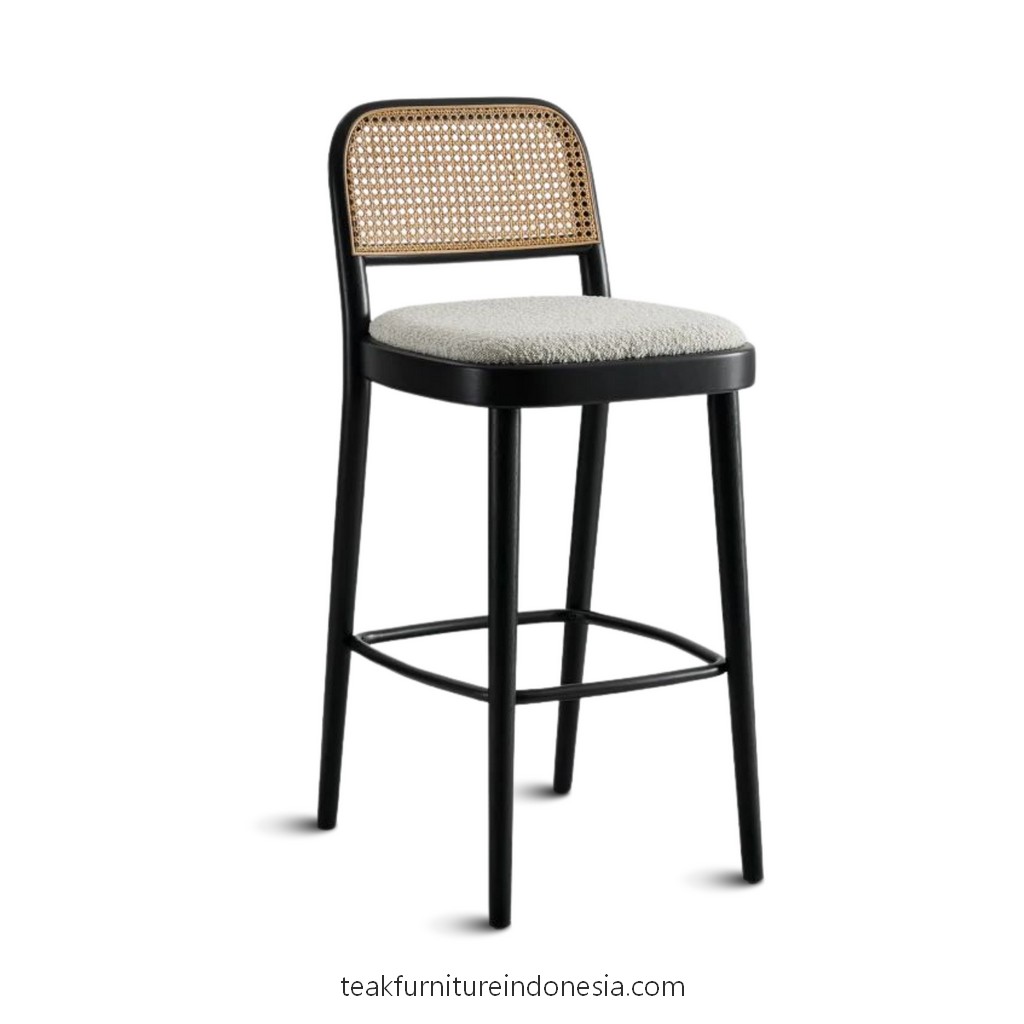
A subtle revolution is occurring in the realm of home furnishings, centered on the exquisite wood and rattan bar chair – an item that has captivated the attention of designers, homeowners, and hospitality experts alike. The day when bar seating was only an overlooked, utilitarian feature crammed behind a kitchen counter, without aesthetic appeal and comfort, is passed. Currently, the wood and rattan bar chair stands as a significant design statement, seamlessly combining the robust, earthy strength of natural hardwood with the light, artisanal sophistication of hand-woven rattan, resulting in a visual and tactile experience unattainable by factory-produced metal or plastic stools. This furniture piece is remarkable for its capacity to initiate conversation; guests are consistently attracted to the intricate weaving patterns, the warmth of the wood grain, and the evident craftsmanship that conveys genuine care and intention. If you need a distinctive piece that may elevate an average kitchen counter or home bar into a curated, welcoming, and personal area, the wood and rattan bar chair is the solution.
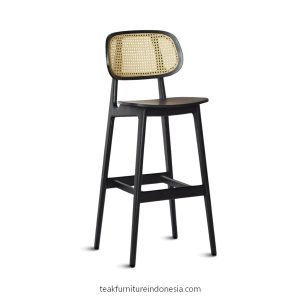 Selecting the appropriate wood and rattan bar chair commences with comprehending the remarkable variety of types accessible and how each may significantly transform the ambiance and character of your environment. For those attracted to the natural warmth of Mediterranean and French rural life, a bentwood oak frame combined with a tightly woven Parisian-style rattan seat provides an ambiance of enduring romantic allure that evokes a sun-drenched restaurant along the Provençal coast. If you appreciate the relaxed elegance of coastal and Hamptons design, a whitewashed timber frame with an open-weave rattan backrest embodies the essence of seaside living, harmonizing exquisitely with linen fabrics, driftwood accents, and gentle oceanic color schemes in your kitchen and dining area. Urban residents who appreciate the avant-garde allure of industrial loft design can discover exquisite wood and rattan bar chair models featuring black iron metal accents, reclaimed wood bases, and weathered rattan panels — a blend that exudes a raw, authentic charm against exposed brick walls and concrete floors. Devotees of the burgeoning Japandi movement, a refined amalgamation of Japanese minimalism and Scandinavian functionality, will find that a streamlined walnut or ash wood frame with a crisp, geometric rattan mesh seat encapsulates the philosophy of appreciating profound beauty in simplicity and restraint.
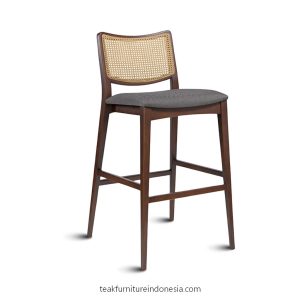 The distinction between a genuinely remarkable wood and rattan bar chair and its inferior equivalents lies in the quality of materials and the skill involved in its production, providing informed purchasers with a considerable edge. When assessing the wood component, prioritize solid hardwoods like teak, oak, walnut, acacia, or mahogany — these species provide exceptional structural integrity, inherent resistance to moisture and insect damage, and a rich depth of color and grain pattern that enhances with age, resulting in what furniture connoisseurs affectionately term a “living patina.” Examine the rattan component carefully, focusing on the weaving method and uniformity—premium rattan should exhibit consistent thickness, tightly woven strands without gaps or loose fibers, and a smooth, splinter-free surface indicative of excellent processing and finishing. The junction where wood intersects with rattan is arguably the most vital aspect; high-quality wood and rattan bar chairs employ traditional mortise-and-tenon or dowel joints, augmented with contemporary adhesives, instead of inferior staples or nails that are prone to loosening and failing under the strain of regular use. Do not disregard practical features that significantly improve your seating experience: an appropriately positioned footrest alleviates leg fatigue, a gently contoured seat evenly distributes weight to avert discomfort during extended gatherings, and non-slip floor protectors on the legs preserve your hardwood or tile flooring from unsightly scratches and scuff marks.
The environmental narrative associated with the wood and rattan bar chair profoundly connects with the increasing cohort of conscientious customers who are unwilling to compromise style for sustainability. Rattan is a notable renewable resource, as this climbing palm rapidly grows in tropical rainforest canopies, attaining harvestable maturity in five to seven years without necessitating replanting. Its cultivation promotes the preservation of existing forest ecosystems, as rattan relies on surrounding trees for structural support during its growth. When the wooden component is obtained from responsibly managed forests with FSC or PEFC certification, the overall environmental impact of your bar chair is significantly reduced in comparison to furniture made from petroleum-based plastics, chrome-plated metals, or engineered wood products containing formaldehyde-based resins and harmful volatile organic compounds. The most compelling aspect of this sustainability narrative is the human element; numerous artisan communities in Indonesia, the Philippines, Vietnam, and Malaysia have established their cultural identity and economic sustenance through the ancient crafts of rattan weaving and woodworking, transmitting techniques honed over centuries from master to apprentice within close-knit family workshops. Each handcrafted wood and rattan bar chair that enters your home embodies the craftsmanship of skilled artisans, symbolizing not merely a transaction but a significant act of cultural preservation and equitable economic support that mass-produced furniture from automated factories cannot provide.
Having comprehended the stylistic options, quality indicators, and sustainability attributes that render the wood and rattan bar chair an exceptional furniture selection, it is now time to actualize your idea with assurance and ingenuity. Commence by accurately measuring the height of your counter or bar — standard kitchen counters generally reach 36 inches, necessitating counter-height stools of 24 to 26 inches, whereas dedicated bar counters typically measure 42 inches, requiring bar-height chairs between 28 and 30 inches — as even the most aesthetically pleasing wood and rattan bar chair becomes unappealing if one is uncomfortably positioned too high or awkwardly hunched too low. Opt for purchasing in pairs or quartets to maintain visual harmony in your seating arrangement; however, daring decorators may also attain remarkable outcomes by deliberately combining complementary wood and rattan bar chair styles for an eclectic, curated appearance that exudes genuine individuality. Coordinate your selected chairs with natural complementary elements — consider woven pendant lights hanging above the counter, a live-edge wooden cutting board showcased, a collection of ceramic vases containing fresh eucalyptus stems, and a textured jute or sisal runner beneath the stools to unify the arrangement in organic warmth and harmony. Investing in a wood and rattan bar chair transcends mere furniture addition; it introduces a dynamic element of nature’s artistry that gains character over time, becoming an indispensable part of your home’s narrative and a daily reminder that the finest creations are born from patience, skill, and a profound respect for the natural world.