


Article
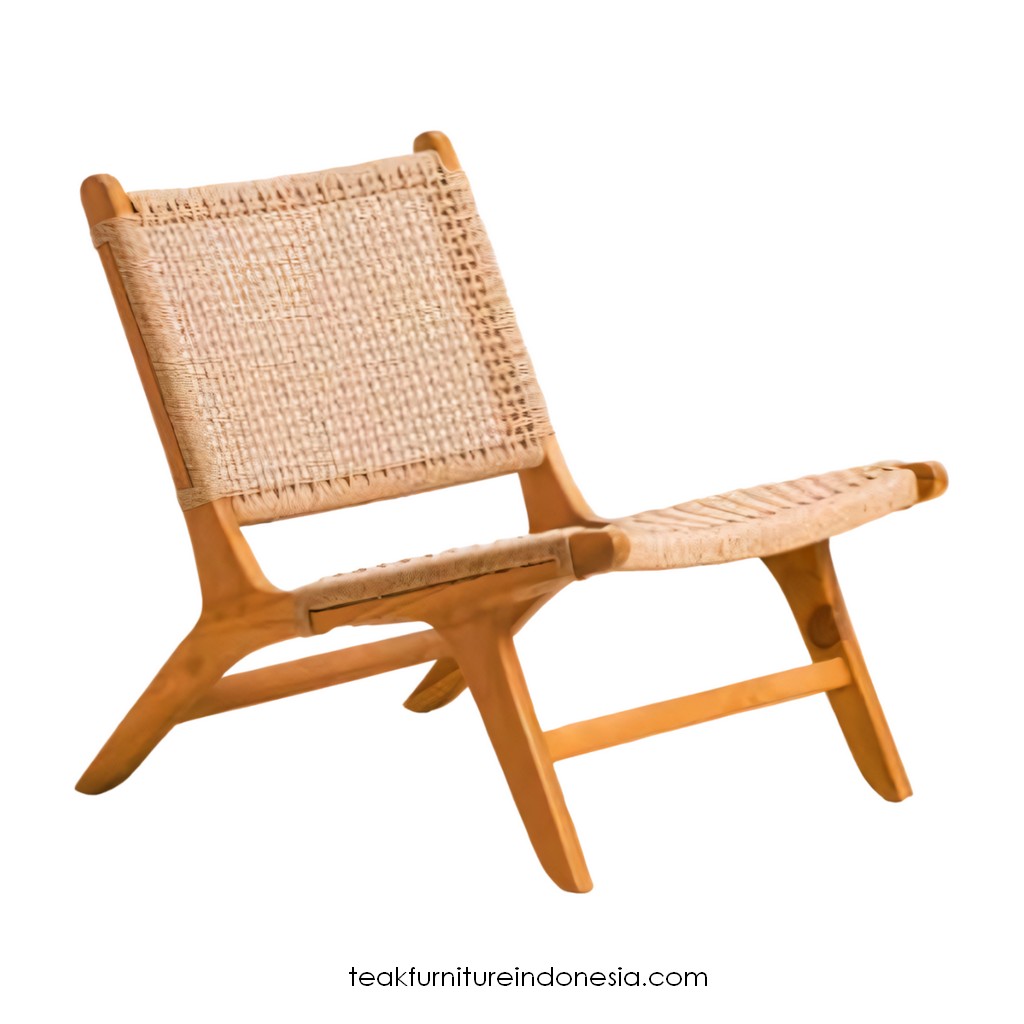
This Jepara handcrafted teak and rattan chair has a deep carved teak frame, a tight hand-woven rattan back and seat, and a traditional Indonesian wood craft finish

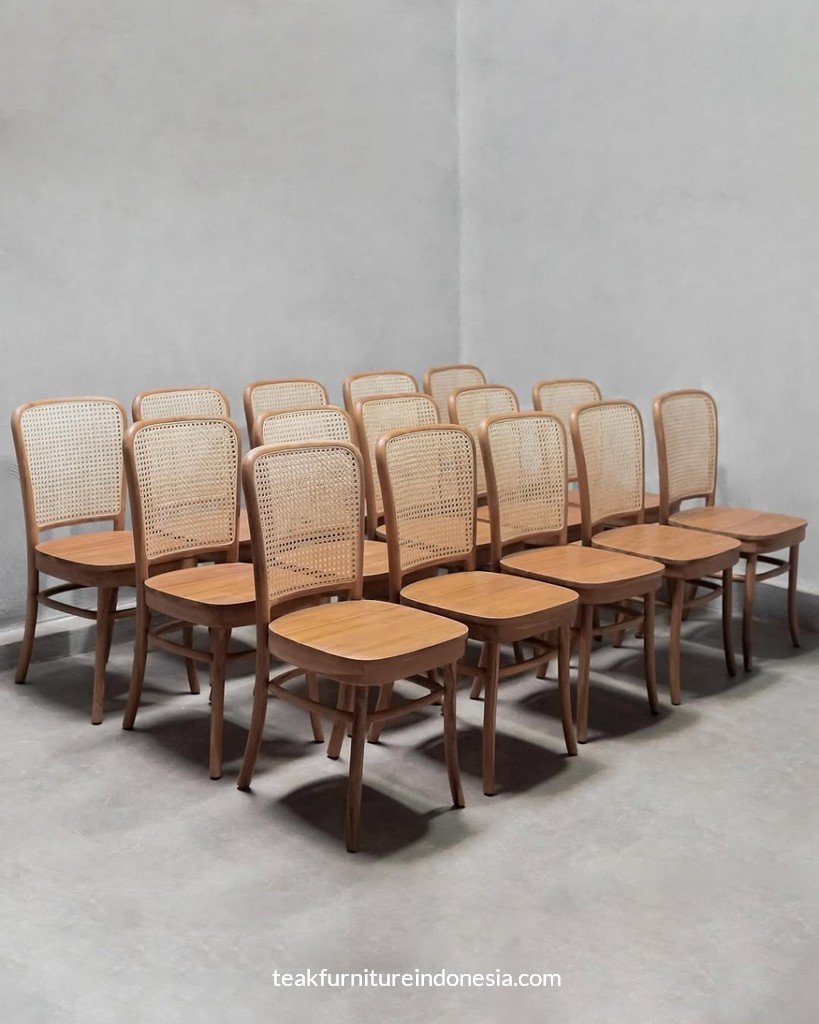
Furniture trends undergo frequent fluctuations. However, certain combinations endure the proof of time. One of them is a chair made of rattan and teak. Teak provides structural density, a mellow grain that matures gorgeously, and a natural oil content. Rattan provides a handcrafted texture, permeability, and flexibility that no synthetic material can replicate. They combine to create a chair that is both visually appealing and durable enough to serve as the focal point of any room. The reason why interior designers from the bohemian, coastal, Japandi, and mid-century modern design worlds continue to return to this combination is straightforward. It functions properly. It is functional in external terraces, dormitories, living spaces, and dining rooms. Cross-functional versatility is a rare quality in furniture.
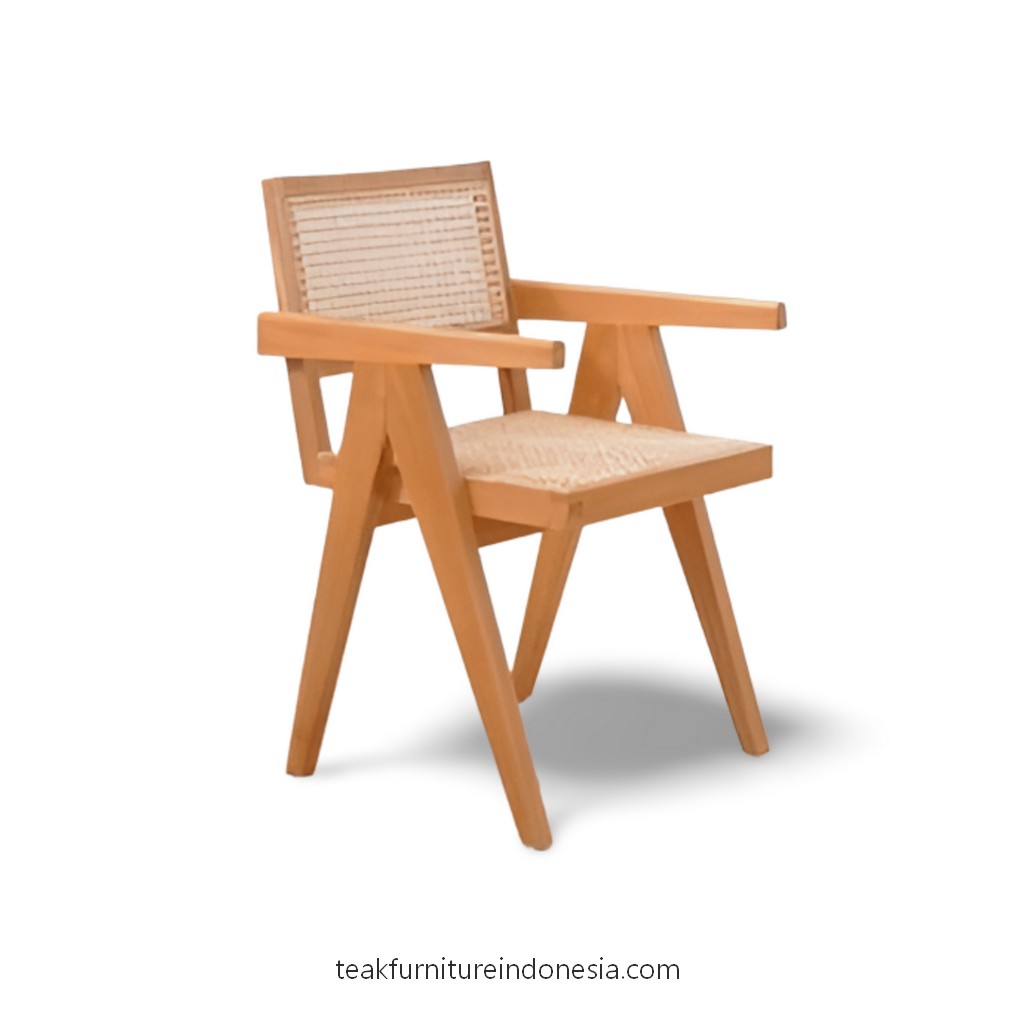
 A teak and rattan chair is distinguished from mass-produced alternatives by its exceptional construction quality. Solid teak is one of the most durable tropical hardwoods that are commercially available. It is impervious to moisture, insects, and surface flaking, necessitating no chemical treatments. This renders it an optimal frame material for a chair that is subjected to daily physical duress from seating, adjusting, and moving. An additional layer of natural engineering is introduced by the rattan component, which is a pleasant surprise for the majority of purchasers. Rattan is not classified as a timber. It is an ascending palm plant that is obtained from forests in Southeast Asia. It is lightweight due to its porous interior. It is exceedingly resilient when subjected to tension due to its fibrous outer epidermis. Rattan, when densely interlaced over a teak frame seat or backrest, produces a surface that slightly flexes under body weight, thereby reducing fatigue and distributing pressure evenly during extended periods of seating.
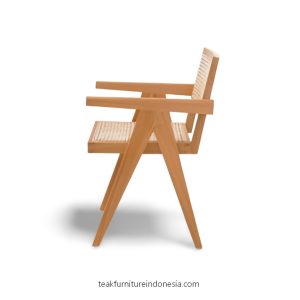 A teak and rattan chair is seamlessly integrated into a variety of interior design styles, necessitating minimal styling modifications. An immediate focal point in a nomadic living room is an enormous teak and rattan reclining chair with a hand-woven rattan back and a luxurious linen cushion. In a Japandi bedroom, a slender teak frame chair with a clear rattan back panel and a neutral drop-in seat cushion provides warmth without causing visual congestion. The organic, sun-bleached quality of naturally finished teak that develops over time is particularly advantageous in coastal interiors, particularly when combined with rope or wide-weave rattan details. The retro-contemporary aesthetic of mid-century modern dining rooms is maintained by the use of sculpted rattan shell seats and angled splayed teak legs, even decades after the style was first introduced. The room is never at odds with the teak and rattan combination. It serves as a complement.
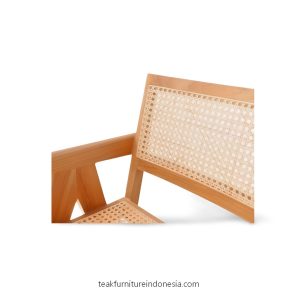 Additionally, the sustainability argument associated with teak and rattan seats is compelling to contemporary consumers. Rattan is one of the most renewable natural materials available for furniture production. It has a growth rate of up to three meters per year and regenerates entirely after harvesting without the need for replanting. FSC-certified forests are the source of teak, which is harvested in accordance with rigorous protocols that safeguard biodiversity and prevent deforestation. Traditional hand-weaving techniques that have been handed down through generations are employed by numerous artisan furniture makers in Indonesia, Malaysia, and the Philippines. This practice promotes local craft economies and diminishes dependence on industrial manufacturing. By purchasing a chair that is expertly crafted from teak and rattan, you are contributing to a supply chain that prioritizes environmental responsibility and skilled human labor. This is a significant distinction in a market that is overrun with inexpensive, disposable furniture.
Selecting the appropriate teak and rattan chair necessitates a thorough assessment. Begin with the teak grade. The mature heartwood of the tree is the source of Grade A teak, which has the maximum natural oil content. It is denser, more moisture-resistant, and more durable than Grade B or C alternatives. Subsequently, evaluate the rattan weave. Authentic craftsmanship is indicated by the minor natural irregularities of hand-woven rattan. Although machine-woven rattan appears to be perfectly homogenous, it lacks the same tactile depth and structural character. Inspect the joinery at the point where the teak frame is connected. Mortise-and-tenon joints are significantly more resilient to duress than dowel or glue-only construction. Confirm that the foam density and cover fabric of the cushion are appropriate for the intended environment, whether it is indoor or outdoor, whether it is included in the chair. A teak and rattan chair that is well-specified is not the most cost-effective option in the room. However, it is consistently the last one standing after years of daily use, and that is precisely the type of value that renders it worth every penny.